
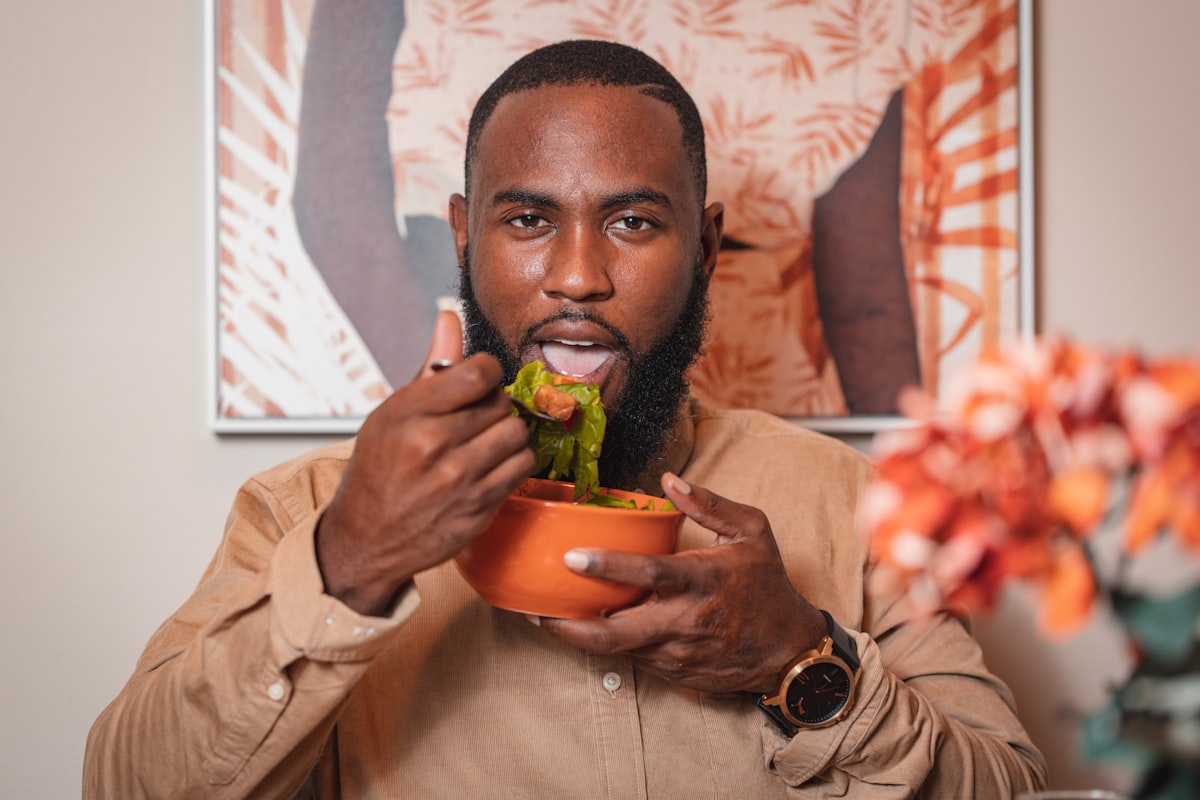
Everything You Want to Know About Men's Biohacking
Whether you're just discovering biohacking or you've been optimizing for years, our editorial team at Performancelifespan has compiled the most common questions about diet, sleep science, and peak male performance. Scroll down for clear, research-informed answers.
New to biohacking? Start with our foundational articles on diet, sleep, and daily performance habits.
Read Our BlogWhat Guides Our Editorial Approach
Research-Informed Writing
Every article and answer on Performancelifespan is grounded in peer-reviewed science and curated by our editorial board. We prioritize accuracy over trends.
Practical, Individual Focus
Biohacking is deeply personal. Our content acknowledges that each man's physiology differs — we present multiple approaches so readers can find what resonates for them.
Editorial Transparency
We are an independent editorial platform. Our writers disclose any affiliations, and we maintain strict editorial independence from any commercial interests in the wellness industry.
Frequently Asked Questions
Tap any question below to reveal a detailed, editorially reviewed answer. Our FAQ covers the most searched topics in men's biohacking, from intermittent fasting to sleep architecture and testosterone-supportive nutrition.
Biohacking is the practice of using data, behavioral science, nutrition, and technology to deliberately modify your biology and improve measurable outcomes — energy, cognition, sleep quality, and physical performance. Unlike general wellness, which tends to offer broad lifestyle advice, biohacking takes a systems-thinking approach: you identify a specific variable, alter it intentionally, track the result, and iterate.
For men specifically, many biohacking practices focus on optimizing hormonal health — especially testosterone, cortisol, and insulin sensitivity — since these hormones govern energy, muscle composition, libido, and stress resilience. Techniques range from dietary interventions like time-restricted eating to behavioral protocols like cold exposure and structured sleep schedules. Biohacking encourages men to treat their bodies as dynamic, improvable systems rather than fixed conditions.
Intermittent fasting (IF) has a strong body of evidence supporting its benefits for men, particularly for improving insulin sensitivity, reducing visceral fat, and supporting metabolic health. The most studied protocol, 16:8 (eating within an 8-hour window), has been shown in multiple trials to reduce body fat while preserving lean muscle mass when protein intake is adequate.
For men specifically, IF may also support favorable testosterone-to-cortisol ratios when combined with resistance training. However, context matters: men who train intensely may find extended fasts impair recovery or reduce performance if they don't adjust caloric timing. Our editorial content explores the practical application of IF for active men, including how to adapt fasting windows to different training schedules and lifestyle demands in the Indonesian context.
Sleep is arguably the single most powerful biohacking lever available to men. The majority of testosterone secretion in men occurs during slow-wave sleep (deep sleep, or N3 stage). Studies have shown that reducing sleep from 8 hours to 5 hours for just one week can lower daytime testosterone levels significantly — an effect equivalent to aging a decade in terms of hormonal profile.
Beyond hormones, poor sleep directly impacts cortisol regulation, cognitive sharpness, reaction time, emotional resilience, and appetite hormone balance (ghrelin and leptin). Men who optimize their sleep architecture — by managing light exposure, maintaining a consistent schedule, and controlling room temperature — report measurable improvements in mood, strength output, and mental clarity. Performancelifespan covers sleep science in depth, including evidence-based strategies for men navigating busy professional schedules in tropical climates like Indonesia, where heat can significantly fragment sleep quality.
No single diet works universally, but several dietary patterns consistently appear in research as beneficial for male hormonal health, cardiovascular function, and cognitive longevity. A whole-food diet rich in diverse vegetables, quality proteins (both animal and plant-derived), healthy fats from sources like olive oil and avocado, and complex carbohydrates supports stable blood sugar, reduced inflammation, and favorable testosterone metabolism.
Micronutrients are often overlooked but critical: zinc, magnesium, vitamin D, and B vitamins are frequently depleted in men who eat processed diets or live under chronic stress. Our editorial team has written extensively on how traditional Indonesian ingredients — such as tempeh, turmeric, and fresh seafood — align surprisingly well with biohacking principles and provide a culturally grounded foundation for performance nutrition. The key takeaway is that consistency and food quality matter far more than short-term dietary experiments.
Cold exposure has gained substantial attention in the biohacking community, and there is legitimate science supporting several of its proposed benefits. Regular cold showers or brief cold immersion have been associated with increased norepinephrine release (by as much as 2-3 times baseline in some studies), which can improve mood, alertness, and cold tolerance over time. There is also evidence suggesting cold exposure may support brown adipose tissue activation, which plays a role in metabolic regulation.
However, the evidence on specific claims — like dramatic testosterone boosts or significant muscle recovery acceleration — is more mixed and context-dependent. Cold exposure immediately after resistance training, for example, may actually blunt muscle protein synthesis if applied too aggressively. Our editorial position is that cold exposure is a valid, low-cost practice with real but modest benefits, best understood as one element within a broader performance protocol rather than a standalone solution.
Chronic stress is one of the most underestimated performance killers for men. Elevated cortisol — the primary stress hormone — directly suppresses testosterone production, impairs deep sleep, promotes visceral fat accumulation, and degrades cognitive function over time. Men under persistent occupational, financial, or relational stress often find that no amount of dietary optimization or training produces the results they expect, because unmanaged cortisol is silently undermining their efforts.
Biohacking addresses stress through a multi-system lens: regulating the autonomic nervous system through controlled breathwork (such as box breathing or physiological sighs), reducing inflammatory load through diet, improving sleep continuity, and building resilience through appropriately dosed physical challenges. Adaptogenic herbs like ashwagandha have also shown consistent evidence for cortisol modulation. Performancelifespan's editorial content explores these strategies with a focus on practical implementation for Indonesian men navigating high-pressure professional environments.
The gut-brain axis has become one of the most exciting frontiers in performance science. The gut microbiome — the ecosystem of trillions of microorganisms in your digestive tract — influences serotonin production, immune regulation, inflammation levels, and even how your body absorbs key performance nutrients like zinc and B12. A disrupted microbiome has been linked to brain fog, mood disorders, lowered energy, and impaired muscle recovery.
For men pursuing performance optimization, supporting gut health through dietary diversity, fermented foods, adequate fiber intake, and minimizing unnecessary antibiotic use represents a foundational biohacking strategy. The good news for Indonesian men is that the local food culture is naturally rich in gut-supportive foods — tempeh, kefir-style fermented beverages, and fiber-rich vegetables feature prominently in traditional diets. Our articles explore how to leverage these foods strategically within a modern biohacking framework.
The vast majority of evidence-based biohacking practices — improving sleep hygiene, optimizing nutrition, managing stress, and incorporating appropriate physical training — carry minimal risk and substantial potential benefit. These are essentially well-established health behaviors reframed through a data-driven lens. At this level, biohacking is not only safe but aligns closely with mainstream preventive medicine guidelines.
Where risk enters the picture is with more aggressive interventions: prolonged extreme caloric restriction, high-dose supplement stacking without bloodwork monitoring, or unregulated experimental compounds. Performancelifespan's editorial stance is clear: we cover evidence-based, accessible biohacking strategies. We do not endorse unproven experimental treatments, and we consistently encourage readers to work with qualified healthcare professionals before making significant changes to diet, supplementation, or lifestyle — particularly if they have pre-existing health conditions. Please read our editorial disclaimer for full context on how to interpret the information we publish.
After age 35, men experience a gradual but meaningful decline in natural testosterone production, muscle protein synthesis efficiency, and recovery speed. Exercise remains the most potent natural stimulus for reversing many of these trends — but the type, intensity, and recovery structure of training matters far more than it did in your twenties. Resistance training (especially compound movements that recruit large muscle groups) is strongly supported by evidence for maintaining muscle mass and supporting hormonal health in aging men.
Zone 2 cardiovascular training — moderate-intensity aerobic work that keeps heart rate at roughly 60–70% of maximum — has emerged as a cornerstone of longevity-focused biohacking because of its mitochondrial benefits and cardiovascular protection without excessive cortisol elevation. The biohacking approach for men over 35 focuses on strategic training load, recovery optimization (including sleep and nutrition timing), and regular biomarker tracking to ensure the body is adapting positively rather than accumulating stress. Our articles provide structured guidance for men navigating this transition.
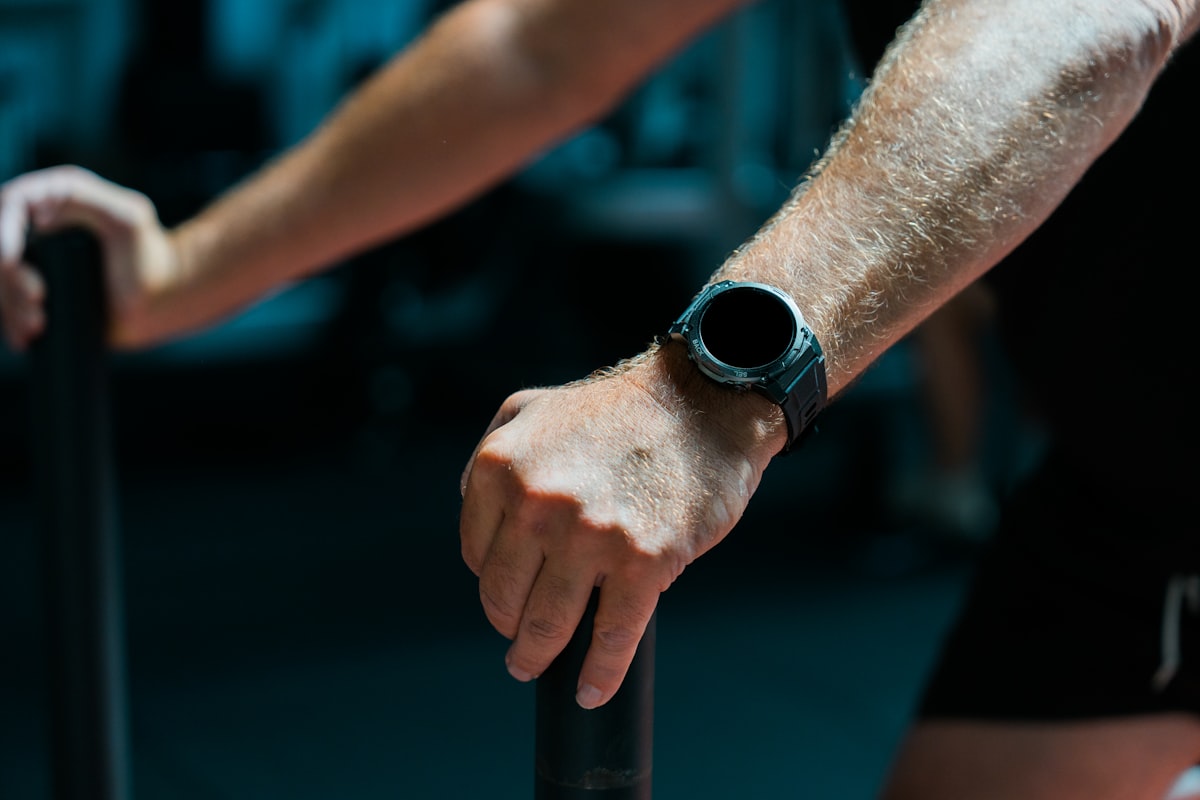
Tracking tools range from consumer-grade fitness bands to medical-grade continuous glucose monitors (CGMs), and the value you get from each depends entirely on whether you act on the data they provide. For most men beginning their biohacking journey, a quality sleep tracker (such as those measuring heart rate variability, or HRV, as a proxy for recovery readiness) and a basic activity monitor offer the highest practical return on investment.
HRV in particular has become a reliable editorial focus for us at Performancelifespan: it serves as a daily readiness score that reflects the accumulated impact of your sleep, stress, training load, and nutrition. When HRV is trending upward over weeks, your biohacking protocol is likely working. When it trends down, something needs to be adjusted. CGMs have also gained traction among performance-focused men as a way to understand personal glycemic responses to meals — information that can meaningfully shape dietary choices. We cover the practical landscape of available tools in our articles section, with a focus on what's accessible in Indonesia.
The biohacking space can feel intimidating because it spans nutrition science, neuroscience, genetics, wearable technology, and supplementation — often all at once. Our editorial recommendation is to start with the fundamentals that deliver the broadest impact before exploring advanced protocols. Specifically: prioritize sleep consistency first (fixed wake time, dark and cool room, no screens 60 minutes before bed), then address nutrition quality (reduce ultra-processed food, increase protein and vegetable diversity), and finally add structured physical training if not already present.
These three pillars — sleep, nutrition, and movement — form the foundation of everything else in biohacking. Advanced techniques like peptide stacks, sauna protocols, or nootropic cycles have far less impact if the fundamentals are compromised. Performancelifespan is designed specifically for men who want to navigate this space systematically. Our topics page organizes articles by category so you can follow a logical learning path, and our blog covers both introductory and advanced material with the same editorial rigor.
We welcome reader questions, article suggestions, and feedback through our contact page. Our editorial team reviews all submissions and may incorporate relevant questions into future FAQ updates or article topics. We aim to respond to content-related inquiries within 3–5 business days, though we are unable to provide individualized health advice — for that, we always recommend consulting a qualified healthcare professional.
You can reach our editorial team at [email protected], or visit us at Jalan Sudirman 164, Semarang. You can also call +62 818 361 847 during business hours for editorial inquiries. For a full overview of what we do and who we are, visit our About page, and for important context on how our content should be interpreted, please read our Disclaimer.
Still Have Questions? Our Articles Go Deeper.
Our editorial library covers everything from testosterone-supportive nutrition to advanced sleep protocols, written for men who want to understand the science — not just follow trends.
Get New Articles Delivered to Your Inbox
Join readers across Indonesia who follow Performancelifespan for editorial content on men's biohacking, performance nutrition, and sleep science. No spam — only curated, thoughtful articles from our editorial team.
By subscribing, you agree to our Privacy Policy. Unsubscribe at any time.
Key Topics We Cover
Dive deeper into any area of men's biohacking with our curated editorial categories. Each section features multiple in-depth articles reviewed by our editorial board.

Build & Preserve Lean Mass After 35
Training protocols, progressive overload strategies, and recovery science designed for the aging male physique.
Read articles
Master Deep Sleep for Peak Recovery
Circadian biology, sleep stack supplements, environment hacks, and tracking tools to unlock restorative rest every night.
Read articles
Optimize Testosterone & Beyond
Understand the hormonal cascade — testosterone, cortisol, insulin, IGF-1 — and evidence-based ways to keep them in your favor.
Read articles
Fuel Performance at Every Decade
From time-restricted eating to protein periodization, explore dietary strategies proven to extend healthspan in men.
Read articles
Sharpen Focus, Memory & Mental Clarity
Nootropics, neuroplasticity training, stress resilience protocols, and lifestyle factors that keep your mind operating at its peak.
Read articles
Live Longer. Perform Harder. Age Slower.
Senolytics, NAD+ pathways, zone 2 cardio, and the latest longevity interventions backed by peer-reviewed research.